October 23, 2026
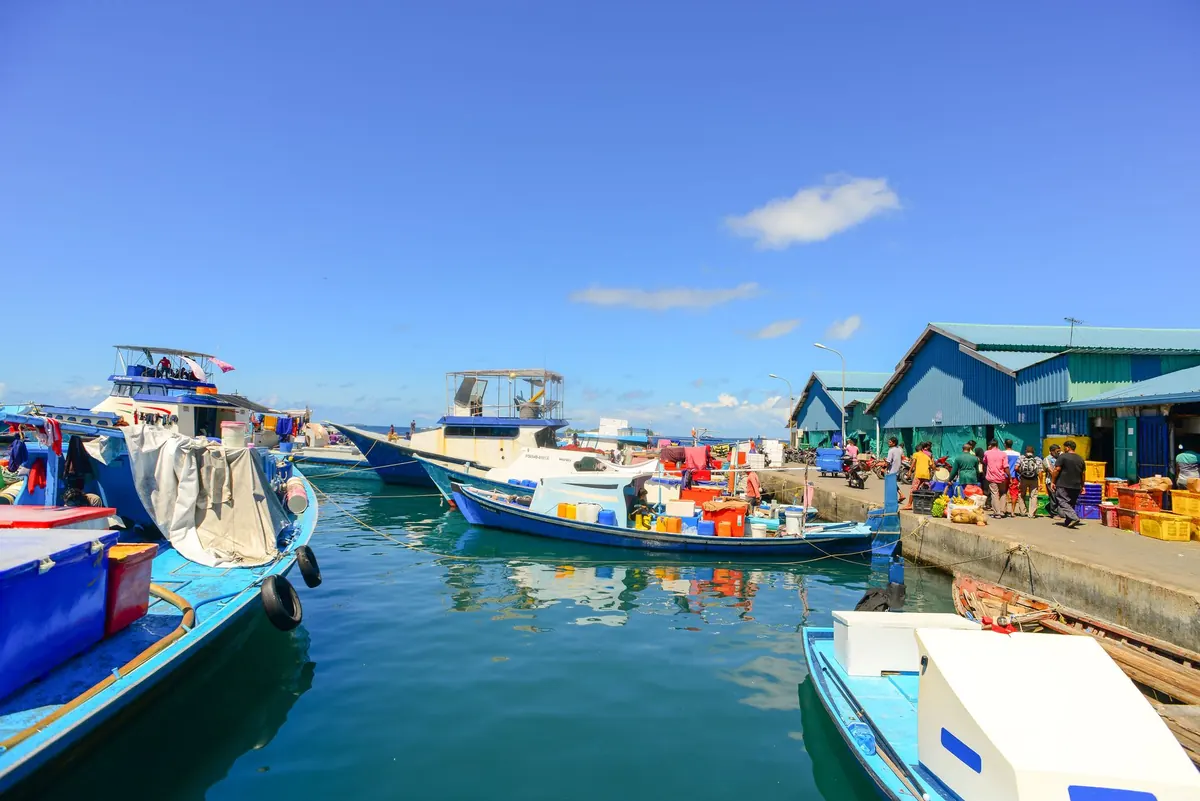
A fishing harbor at six in the morning is not a stage set. It is a workplace with salt on the ground, diesel in the air and a schedule set by tide, weather and the auction clock. Visitors are welcome in most working ports, but welcome is not the same as free access. The difference is easy to learn: watch where your feet are, ask before you point a lens, and treat every rope, crate and moving vehicle as if it belongs to someone with a job to do. That small shift turns a quick photo stop into a more honest visit.
Where to Walk: The Public Edge and the Working Edge
Most harbors have two kinds of ground. One is the promenade, the quay wall, the viewpoint or the path along the outer basin. The other is the working edge: the strip where boats tie up, ice is loaded, fuel is pumped and fish boxes are stacked. These areas often sit side by side with no dramatic barrier between them. The trick is to read the surface. If you see fish scales, wet patches, tire marks, oil stains, loose netting or a line of crates, you are probably standing in a work zone.
Keep to the public side of painted lines, low chains, bollards and signs. If there is no marked boundary, stay on the outer walkway and leave the inner quay to the crews. Do not cut between stacked boxes, step over coils of rope or walk beneath a raised hoist. A mooring line under tension can part without warning, and a wet ramp can take your feet out from under you. Gangways, ladders and boat decks are private working space unless the skipper or owner invites you aboard.
If you are unsure where access ends, ask at the harbor office, the fish market office or a nearby shop. A short question at the start saves a lot of arm-waving later. When a crew member signals you to move, move first and ask afterwards. They are not being rude; they are protecting you and their gear.
When to Photograph, and When to Put the Camera Down
Fishing crews are used to cameras, but they are not paid to pose. The best photographs usually come from the public promenade, a respectful distance back, with a longer lens or a phone zoom. Early morning is dramatic, but it is also the busiest time for unloading, fueling and repairs. If a boat is hauling nets, sorting catch or moving boxes, stay clear and wait. A quiet moment after the rush is often better for a portrait or a conversation.
Ask before photographing people close up, especially if their faces are the subject. A simple “May I take a photo?” works. If the answer is no, or if someone turns away, lower the camera and move on. Avoid flash near crews working in low light, and never stand on bollards, ladders, breakwaters or the edge of a pier to get a better angle. Drones are another matter: check with the harbor authority first, and never fly low over crews, boats or unloading areas. Local rules vary, and a harbor is not the place to test them.
The Visitor Checklist
- Stay behind barriers and painted lines; if none exist, keep to the public promenade.
- Treat mooring lines, warps, chains and cables as live equipment. Never step over them or move them.
- Leave crates, nets, buoys, ladders, hoses and tools exactly where they are.
- Keep clear of forklifts, cranes, hoists, trolleys, slipways and loading bays.
- Ask before photographing people or boarding a boat, and respect a refusal.
- Keep voices low near moored boats, especially in the early morning.
- Supervise children closely and keep dogs on a short leash; carry bicycles rather than wheel them through crowds.
- Wear closed shoes with grip. Wet quays, algae and fish slime are slippery.
- Use bins or take your rubbish with you. Do not feed gulls or leave food scraps on the quay.
- If you are unsure, ask at the harbor office or follow a crew member’s signal immediately.
The Small Courtesies That Keep a Port Working
Some of the most useful visitor habits are social, not technical. Buy your coffee and lunch from local shops rather than crowding the edge of the quay with a picnic. If you want to talk to a crew, wait until they have stopped working and are not handling gear. Ask about the boat, the season or the catch, but do not ask them to repeat a pose while they are unloading. A short conversation at the right moment is welcome; a long one in the middle of a job is not.
Keep fuel points, water taps, ice houses and fish auction entrances clear. These are the equivalent of a busy kitchen door: people need to move through them quickly. If you see something fall or blow away, do not chase it into a work area. Alert a crew member and let them decide what to do. Good intentions are not a substitute for training around heavy equipment.
Children, Dogs and Bicycles
Working harbors are fascinating for children, which is exactly why they need close attention. Hold hands near the water, keep children away from ropes and machinery, and explain why the rules exist rather than simply saying “don’t.” A child who understands that a mooring line can snap is more likely to stay back than one who is only told to behave. Dogs should be on a short leash and kept away from fish waste, hooks and crews working on the ground. Bicycles are best walked, not ridden, through a busy quay.
Weather, Tides and the End of the Day
Harbor conditions change quickly. Wind pushes spray across the quay, rain makes painted lines slick, and a rising tide can cover steps that were dry an hour earlier. Watch the water and the sky, not just your phone. If boats are coming in, give them room to maneuver and keep clear of the slipway. A boat approaching the quay is not a photo opportunity to stand beside; it is a heavy moving object with limited visibility.
When the day ends, crews often work fast to secure boats and unload the last catch. That is not the moment to ask for a tour or to stand in the middle of the quay comparing shots. Move to the public path, finish your conversation, and let the port close down in its own time.
A Simple Way to Leave a Working Harbor
Before you go, check that you have left nothing behind and that you have not moved anything that belongs to the port. If you bought a coffee, a meal or a small souvenir, you have already done something useful for the local economy. If a crew member helped you with directions or allowed a photograph, say thank you and mean it. The best visits to working fishing harbors are quiet, curious and brief. They leave the crews to their work and the visitor with a clearer sense of what a real port does all day.
Photo: Asad Photo Maldives / Pexels